


News
Premium Paper-Based Cat Litter
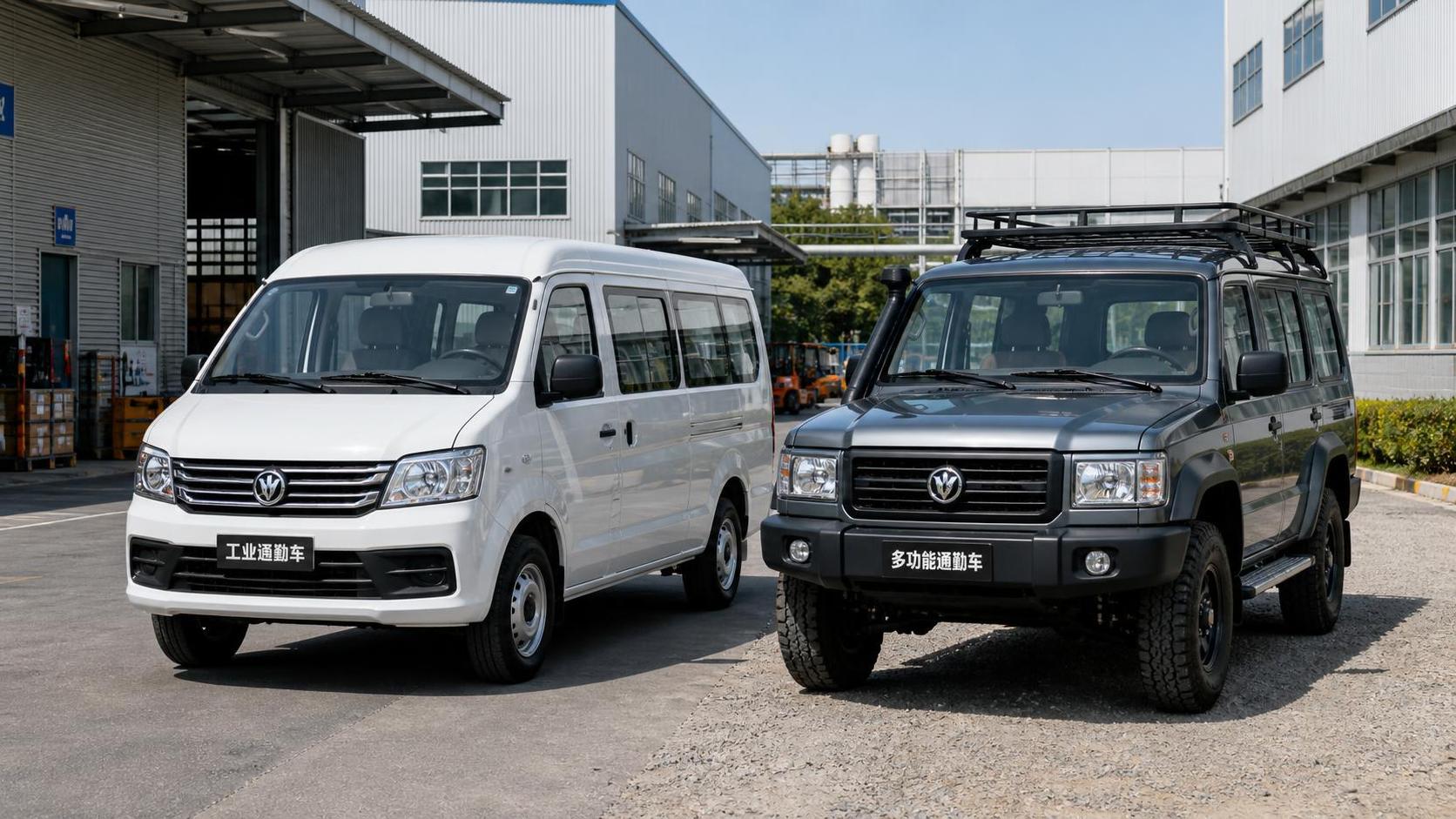
Choosing Passenger Vehicles for an industrial site is rarely about finding the biggest body or the lowest purchase price. The better question is simpler: which model can move your staff safely, on schedule, and at a predictable operating cost under your actual site conditions? If you are comparing options for a factory, mine, logistics yard, energy project, or large construction base, the right answer usually depends on route distance, road quality, shift pattern, passenger volume, and how much downtime your operation can tolerate.
That is where many evaluations go off track. A vehicle that works well for city shuttle use may perform poorly on rough internal roads. A model that looks economical on paper may become expensive if seat layout slows boarding, spare parts are hard to source, or ground clearance is too low for daily site use. Staff transport on industrial sites is practical work. The model has to fit the job, not just the brochure.
What matters most when selecting Passenger Vehicles for staff transport
In most cases, the best fit comes from balancing five things: passenger capacity, site environment, operating cost, maintainability, and driver workload. Miss one of these, and the vehicle often becomes a problem within the first year.
A quick answer, if you need one: for paved or mixed-condition industrial sites, mid-size vans and personnel carriers often give the best balance of capacity, access, and running cost; for harsher roads or longer internal routes, higher-clearance models or rugged multi-purpose transport vehicles are usually the safer choice. Large buses only make sense when routes, loading points, and headcount are stable enough to justify them.
The first filter is passenger flow. Not theoretical seating capacity, but real movement by shift. If 18 people need to move at 7:30 a.m., then another 12 at 8:00, and small groups throughout the day, a rigid “maximum seats” mindset can lead to overbuying. On many sites, two smaller units provide better flexibility than one larger vehicle, especially when departments start at different times or when pickup points are spread across a wide area.
The second filter is road reality. Internal industrial roads vary a lot. Some are smooth concrete roads between gates and workshops. Others include gravel, dust, standing water, temporary detours, ramps, potholes, or uneven shoulders. That changes the shortlist immediately. Low-floor passenger models can be convenient for boarding, but they are not always the right choice for rough surfaces or sites with frequent debris and drainage channels.
Do not choose by seat count alone
One of the most common mistakes is to compare vehicles almost entirely by how many people they can carry. Capacity matters, but usable capacity matters more.
For example, if staff board with helmets, bags, lunch boxes, tools, or winter clothing, a vehicle that technically seats more people may still feel cramped and slow to load. Narrow aisle space and awkward door openings add time at every stop. Over a month, those extra minutes become real operating losses.
There is also the issue of trip frequency. A 14-seat van making three efficient trips may support operations better than a larger bus that is harder to maneuver near workshops or warehouse entrances. On compact sites with tight corners, limited turning space, or mixed pedestrian traffic, smaller Passenger Vehicles often improve flow because they can complete more movements with less disruption.
This is why serious buyers usually map a normal shift day before they compare models. They check:
- How many people move at the same time
- How far they travel between gate, dormitory, workshop, yard, or parking area
- Whether boarding happens at one stop or several
- Whether passengers carry PPE or work items
- How often routes change during maintenance shutdowns, expansions, or seasonal work
That basic operational picture is often more useful than a long specification sheet.
Which vehicle types usually fit industrial sites
There is no universal winner, but some patterns are consistent.
Light passenger vans are often the most practical choice for short to medium internal transport routes. They are easier to schedule, easier to replace if one unit is down, and usually simpler to maintain than larger buses. They suit factories, logistics parks, industrial campuses, and export processing zones where roads are mostly paved and passenger groups are moderate.
Multi-purpose personnel carriers fit sites with mixed conditions. These are useful when transport routes include paved sections plus rough access roads, temporary work zones, or lightly developed project areas. They make sense for mining support, energy projects, infrastructure sites, and large facilities where road conditions are not uniform.
Minibuses or larger commuter buses are better for stable, repeated movement of larger groups over fixed routes. They work when loading points are formalized, turning radius is not a problem, and there is enough daily volume to keep utilization high. They are less forgiving when staff movements are fragmented or when internal roads were never designed for larger bodies.
Pickups with passenger conversion use sometimes appear in evaluations, especially on remote sites. In practice, they should be treated carefully. They may help with mixed cargo-personnel tasks in some markets, but they are not a clean substitute for dedicated staff transport where safety, comfort, and compliance matter. If regular employee movement is the job, purpose-appropriate Passenger Vehicles are usually the better decision.
Road conditions change the shortlist faster than budget does
Many teams start with budget and only later discuss terrain. That order causes trouble. A low-cost vehicle that bottoms out on uneven roads, wears suspension parts too quickly, or spends time in repair is not a low-cost choice.
When evaluating site suitability, pay attention to ground clearance, suspension robustness, entry step height, tire availability, and body durability in dusty or wet conditions. Dust is often underestimated. Fine dust affects cabin filters, door mechanisms, electrical connectors, and air-conditioning efficiency. If the site runs in high temperatures, HVAC performance matters more than many buyers expect. Staff who arrive overheated or uncomfortable may not create a line item on a spreadsheet, but it shows up in complaints, fatigue, and transport resistance.
Water and mud create another dividing line. If a vehicle regularly crosses pooled water, soft shoulders, or unfinished access roads, the model needs to be selected with that in mind from the start. Trying to “manage around it” later usually leads to avoidable wear and more frequent downtime.
Operating cost is broader than fuel economy
Fuel use gets attention because it is easy to compare, but operating cost on industrial sites is shaped just as much by uptime, maintenance cycles, tire life, and parts access.
A slightly more expensive model can be the better commercial choice if it uses common parts, has a straightforward service layout, and can be supported locally or through a reliable regional supply network. This is where supplier strength matters. Haowo Automobile Sales and Service (Liaocheng) Co., Ltd. works across markets in the Americas, Central Asia, Africa, Europe, and Southeast Asia, supplying vans, pickups, trailers, and passenger vehicles from manufacturers including Foton Motor Group. For buyers evaluating fleet support, that kind of model range is useful because it allows comparison across different site conditions rather than forcing one body type into every task.
The point is not brand first. It is support first. Before approval, confirm what maintenance actually looks like in your region: parts lead time, service intervals, technician familiarity, and whether your operation can stock fast-moving consumables. Many procurement problems start after delivery, not before.
Where evaluators often misjudge “comfort”
Comfort sounds secondary on paper, but for staff transport it affects boarding speed, route acceptance, and driver performance. A vehicle used for ten-minute internal movement does not need luxury features. It does need practical comfort: decent ingress and egress, acceptable legroom, effective ventilation, and a cabin layout that does not create friction at every trip.
There is also a safety angle. If employees rush to board because doors are narrow or steps are awkward, minor incidents become more likely. If the driver has poor visibility around pedestrians, loading zones become higher risk. The best industrial staff vehicles are not the most impressive-looking ones. They are the ones that stay predictable during repetitive daily use.
When a smaller fleet is smarter than a bigger vehicle
Some buyers assume that consolidating into fewer, larger vehicles always saves money. That is only true when demand is stable and routes are fixed. On many industrial sites, transport demand comes in waves. Shift changes, contractor movement, maintenance teams, warehouse staff, and admin workers often do not move together.
In those cases, a fleet of smaller vans can be easier to dispatch and easier to keep running. If one unit is under service, the whole transport plan does not collapse. This matters on sites where transport is operationally linked to attendance, production handover, or permit-controlled movement inside secure zones.
Large vehicles still have a place. They are strong candidates when the site has defined shuttle corridors, heavy peak demand, and enough route discipline to keep occupancy high. But if your real-world load factor is inconsistent, larger units often look efficient only during procurement review.
A practical evaluation approach
If you need to narrow options without wasting time, start with three questions.
- What is the roughest road this vehicle will face every week, not just occasionally?
- What is the busiest passenger movement window in a normal operating day?
- How much downtime can the site tolerate before transport starts affecting operations?
Then compare candidate models against those answers, not against marketing categories. Ask for seat layout details, door configuration, turning radius, service access, and available support in your market. If the vehicle is intended for cross-border or export use, confirm local compliance requirements separately, because specifications and road-use rules can differ by country and application.
It also helps to separate “nice to have” from “must work every day.” USB ports and trim level are rarely decisive on an industrial site. Reliable starting, easy cleaning, stable suspension, and accessible spare parts usually are.
FAQ
Are vans better than minibuses for industrial staff transport?
Often yes, when routes are short, passenger groups are uneven, and the site has tighter internal roads. Minibuses make more sense when demand is steady and route structure is fixed.
How many seats should we plan for?
Plan around peak movement and actual boarding conditions, not the highest seat number available. PPE, bags, and stop frequency all affect usable capacity.
Is fuel economy the main cost factor?
Not usually. Downtime, tire wear, maintenance frequency, and parts availability can have equal or greater impact over the vehicle life cycle.
Should rough-site operations use standard passenger road vehicles?
Only if road conditions genuinely support them. On mixed or poor surfaces, higher-clearance and more durable personnel carriers are usually the safer long-term choice.
The best Passenger Vehicles for industrial sites are the ones that match daily movement patterns, site roads, and maintenance reality. That sounds obvious, but many poor purchases happen because teams evaluate vehicles as general transport products instead of site tools. If you are reviewing options now, build the shortlist around real routes, real loading behavior, and local support capability. That usually leads to a decision that holds up after the purchase order is signed.
- Anchor text: industrial passenger van models / product category page
- Anchor text: staff transport vehicle selection guide / blog or resource page
- Anchor text: Foton passenger vehicles for commercial use / brand or product page
- Anchor text: pickup and van fleet options / category comparison page
- Anchor text: commercial vehicle export support / service page
- Industry association guidance on workplace transport safety and fleet operation
- Government transport or occupational safety regulator pages covering staff vehicle compliance
- Official manufacturer technical documentation for vans, minibuses, and personnel carriers
Search
Send Us A Message
Please give us a message
Xinfada Import & Export (Shandong) Co., Ltd.
Location